| More Info |
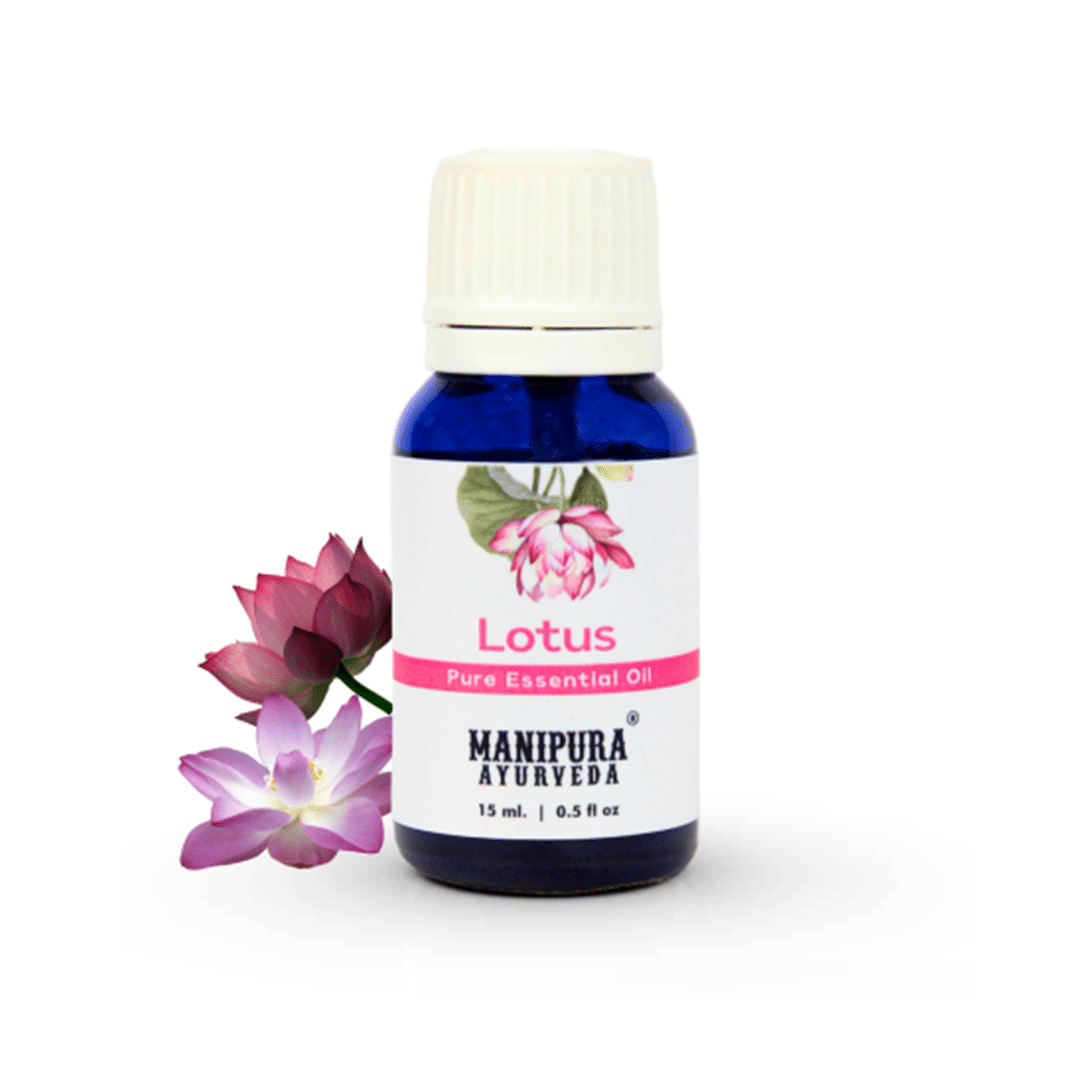
● Lotus oil is highly concentrated; use with caution and dilute with a carrier oil for topical applications.
● Suitable for most skin types, but always perform a patch test before using on sensitive skin.
● Can be used in a diffuser, topically (when diluted), or in personal care products.
● Always consult a healthcare professional before using for therapeutic purposes, especially during pregnancy or if you have a pre-existing condition.
Historical Importance:
The lotus flower has been highly revered across many ancient cultures, symbolizing purity, enlightenment, and divine beauty. In Egypt, the lotus was seen as a symbol of rebirth and creation, and in Asia, it has been associated with spiritual awakening and transcendence. The oil has been used in traditional healing practices for thousands of years, believed to promote clarity and wisdom.
Religious Importance:
In Hinduism and Buddhism, the lotus is a sacred symbol representing spiritual growth, divine beauty, and the journey toward enlightenment. The lotus flower is often depicted in religious art, representing purity emerging from the mud, symbolizing the soul's emergence from materialism to spiritual purity. In Buddhist tradition, the lotus is tied to the Buddha and is often used in meditation to represent the path to enlightenment.
Cultivation:
The lotus thrives in warm, shallow waters and is typically grown in ponds, lakes, and other slow-moving water bodies. It requires a temperate to tropical climate and can be found in Asia, parts of Africa, and some regions of North America. The flower blooms in the summer and is harvested for its petals to extract the essential oil.
Healing Modalities (including Alternative Healing like Pranic and Reiki):
● Pranic Healing: Lotus oil is used to cleanse and balance the energy field, particularly in the crown chakra. It is believed to enhance spiritual awareness and release negative emotions.
● Reiki: Reiki practitioners use lotus oil to promote healing and elevate spiritual energy. The oil is often used to help balance the higher chakras and facilitate emotional release.
● Aromatherapy: In aromatherapy, the oil is used to foster emotional stability, mental clarity, and a deep sense of inner peace. It aids in grounding and supports mindfulness practices.
Research and Studies:
Studies on lotus essential oil focus primarily on its calming effects and potential to improve mental clarity. Research has also indicated that the oil may possess anti-inflammatory, antioxidant, and anti-aging properties. Some studies suggest that the oil has mild sedative effects, making it effective for reducing anxiety and promoting relaxation.
Ancient and Traditional Indian References:
In traditional Indian culture, the lotus holds profound significance as a symbol of beauty, purity, and the divine. In the Vedas and Upanishads, the lotus is frequently mentioned as a symbol of the unfolding of consciousness and the path to spiritual enlightenment. The sacred lotus is also revered in Ayurveda for its cooling properties and use in balancing the body’s energies.
|







Reviews
There are no reviews yet.