


• Indian rupee (₹) - INR
    • Indian rupee (₹) - INR
    • United States dollar ($) - USD
    • Euro (€) - EUR

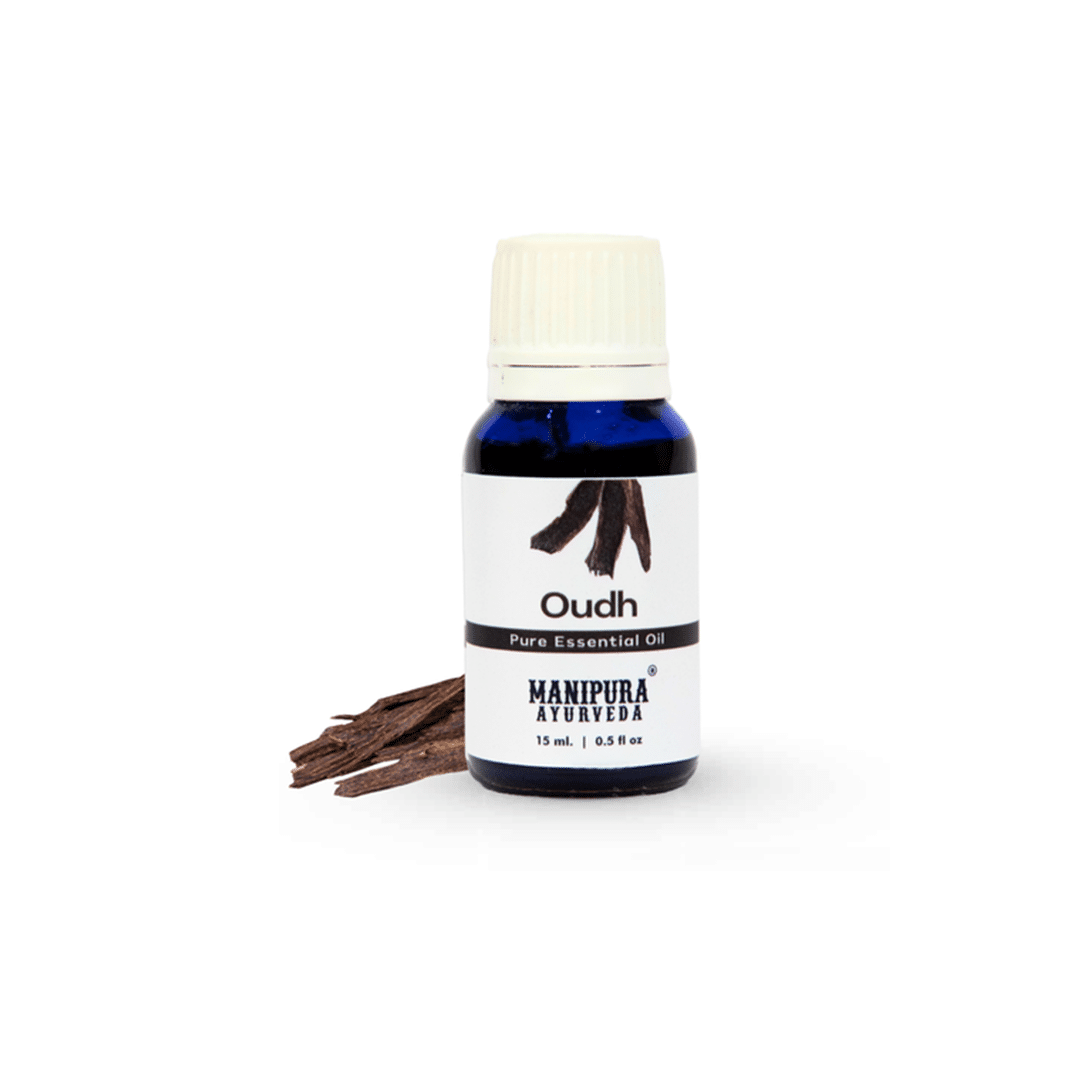
Oudh

490.00
490.00
  • Deep, woody, complex, and slightly smoky aroma
  • Highly grounding and calming
  • Helps enhance spiritual and meditative practices
  • Known for its use in luxury perfumes and incense
  • Has powerful anti-inflammatory, antiseptic, and healing properties
  • Latin Name:Aquilaria agallocha
  • Scientific Name:Aquilaria agallocha
Indian rupee (₹) - INR
  • Indian rupee (₹) - INR
  • United States dollar ($) - USD
  • Euro (€) - EUR
Certified by
ICC
F & F
CE
GMP
ISO
Organic
Customer Review

Description

Oudh essential oil is extracted from the dark, resinous heartwood of the Aquilaria tree, which grows primarily in Southeast Asia. The resin forms naturally in the wood when the tree becomes infected with a specific mold, and it is this resin that is used to produce the oil. The fragrance of oudh is complex and rich, with woody, smoky, and earthy notes that are both grounding and calming. It is one of the most expensive essential oils in the world due to its rarity and the labor-intensive process of extraction.

Benefits:

  • Grounding and Calming: Oudh is widely used for its grounding effects, helping to calm the mind and promote emotional balance.
  • Spiritual and Meditative Aid: It is often used in meditation practices to deepen spiritual awareness and connect with higher consciousness.
  • Stress and Anxiety Reduction: Helps alleviate anxiety and emotional stress, promoting a sense of inner peace.
  • Anti-inflammatory Properties: Oudh oil contains compounds that help reduce inflammation and alleviate pain.
  • Skin Care: Known to improve the appearance of scars, wrinkles, and other skin imperfections. It is also used for its antibacterial properties.

How to Use (Recipes):

    • Meditation Diffuser Blend:
      • 3 drops Oudh essential oil
      • 2 drops Frankincense essential oil
      • 1 drop Sandalwood essential oil
        Diffuse to create a peaceful, spiritually uplifting atmosphere during meditation.
    • Relaxation Massage Oil:
      • 2 drops Oudh essential oil
      • 2 drops Lavender essential oil
      • 1 tablespoon Jojoba oil
        Massage into the neck, shoulders, and wrists for relaxation and stress relief.
    • Skin Rejuvenation Serum:
      • 2 drops Oudh essential oil
      • 1 drop Rose essential oil
      • 5 drops Rosehip oil
        Apply to the face and neck to improve skin tone and reduce the appearance of wrinkles and scars.

Additional information

More Info

● Oudh oil is highly concentrated; always dilute with a carrier oil before topical application.
● It is a rare and precious oil, so it should be used sparingly.
● Due to its strong fragrance, oudh oil is often used in blends and perfumes.
● It can be used in a diffuser, in massage blends, or in skincare products for its grounding and healing benefits.
Historical Importance:
Oudh has been valued for thousands of years and was used in ancient civilizations for religious ceremonies, perfumes, and medicine. It has a long history in the Middle East, India, and Southeast Asia, where it was once reserved for royalty and the wealthy. The oil was often burned as incense during sacred rituals to purify spaces and elevate spiritual practices. It was also used in ancient perfumes, including those in Egyptian and Arabic traditions.
Religious Importance:
In many spiritual traditions, oudh is considered a sacred and highly spiritual oil. In Islam, oudh is used in incense during prayers, symbolizing purification and creating a harmonious environment for prayer. Similarly, in Hinduism, oudh is burned as incense during rituals and meditation, believed to elevate consciousness and connect with the divine. The rich aroma is thought to help deepen one’s connection to the spiritual realm.
Cultivation:
The Aquilaria tree, from which oudh is derived, grows in tropical and subtropical regions of Southeast Asia, including India, Bangladesh, and Indonesia. The tree’s resin is produced when the tree becomes infected with mold or fungus, which causes it to produce a dark, aromatic resin. This resin is then carefully harvested and distilled to create the essential oil. The slow process of cultivating the trees and harvesting the resin makes oudh a rare and valuable oil.
Healing Modalities (including Alternative Healing like Pranic and Reiki):
● Pranic Healing: Oudh essential oil is used to cleanse and balance the energy field. It is particularly helpful in healing the root and crown chakras, providing grounding while enhancing spiritual awareness.
● Reiki: Oudh oil is used during Reiki sessions to help ground the energy body and promote deep relaxation. Its calming effects allow practitioners and clients to connect with the higher self and release negative energy.
● Aromatherapy: In aromatherapy, oudh oil is used for its grounding and calming effects, making it ideal for reducing anxiety and promoting emotional healing.
Research and Studies:
Research into oudh essential oil primarily focuses on its antibacterial, anti-inflammatory, and antioxidant properties. Studies have found that oudh oil has potential therapeutic uses in treating skin conditions, improving circulation, and reducing pain. Some studies have also highlighted its effectiveness in reducing stress and enhancing cognitive function. Its calming effects have made it a popular choice for aromatherapy, particularly in promoting deep relaxation and meditation.
Ancient and Traditional Indian References:
In India, oudh has been highly revered in Ayurveda for its ability to calm the mind and elevate the spirit. It is considered a powerful agent for balancing the doshas, particularly Vata and Pitta. Oudh is used in Ayurvedic incense, massage oils, and as an ingredient in skincare formulations. In ancient texts, it was believed that the oil could help purify the mind, body, and soul, and it was often used in rituals to promote spiritual growth and connect with the divine.

Reviews

There are no reviews yet.

Be the first to review “Oudh”

Your email address will not be published. Required fields are marked *