| More Info |
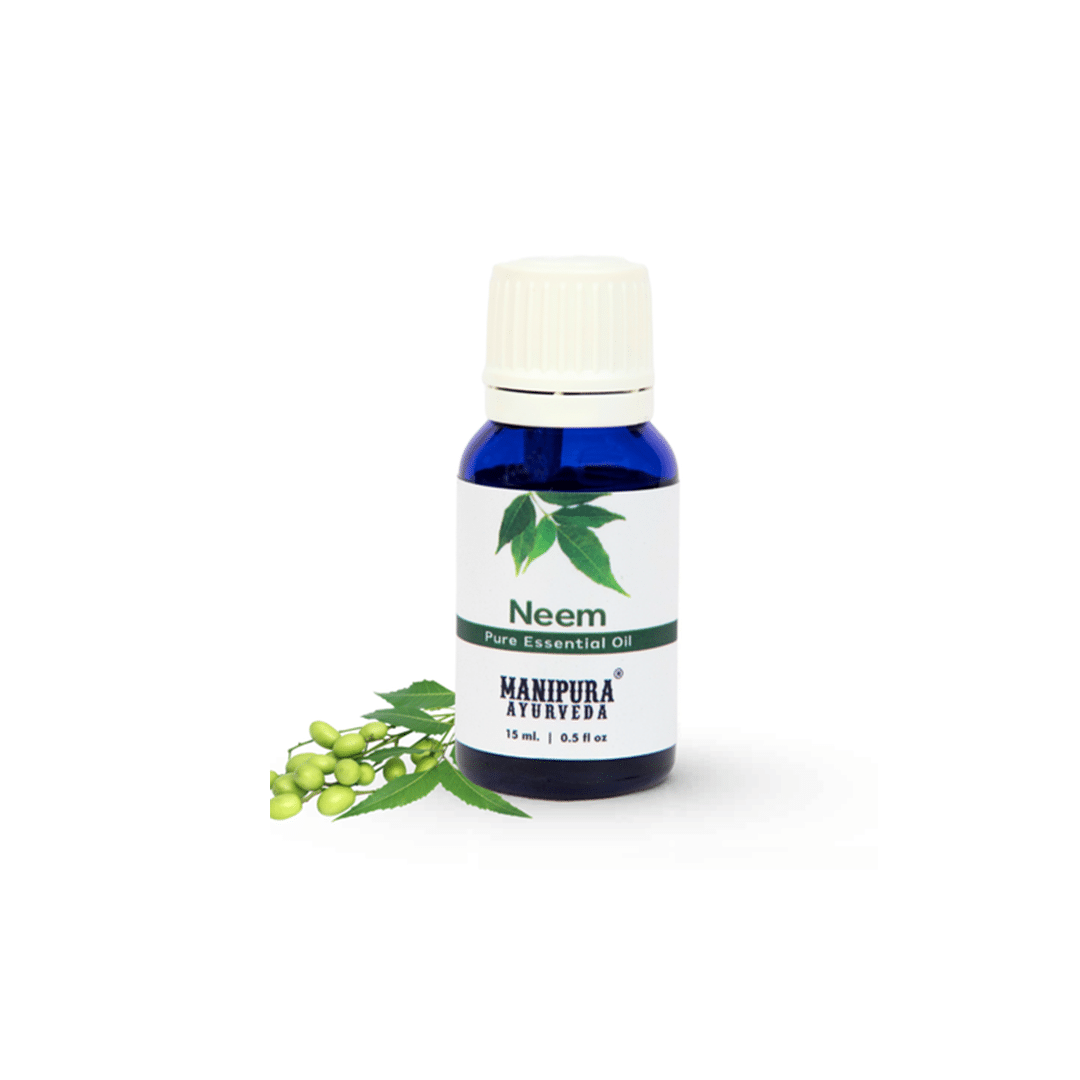
● Dilution Required: Neem essential oil is potent and should always be diluted with a carrier oil before applying to the skin.
● Patch Test: Always perform a patch test before using neem oil, especially for sensitive skin.
● Topical Use: Primarily used for topical applications; avoid ingestion unless guided by a healthcare professional.
● Scent: Due to its strong odor, neem oil is best used in combination with other essential oils in blends to balance its fragrance.
Historical Importance:
Neem has been used for thousands of years in traditional Indian medicine, particularly in Ayurveda, where it is known as the “miracle tree” due to its wide-ranging therapeutic properties. Ancient texts reference neem for its ability to purify the body, promote longevity, and treat a variety of health ailments. The neem tree has been used for everything from skincare and dental care to general health and protection from disease.
Religious Importance:
In Hinduism, the neem tree is considered sacred and is often associated with the goddess Saraswati, symbolizing healing and protection. It is also believed to have divine powers, and in some regions, it is planted near temples or homes to purify the environment. The tree is regarded as a symbol of life and well-being, and its various parts are used in religious rituals and offerings.
Cultivation:
Neem trees are native to the Indian subcontinent but are now widely grown in tropical and subtropical regions around the world. Neem thrives in hot, dry climates with well-drained soil and can grow in poor soil conditions, making it a resilient and hardy tree. The oil is extracted through a cold-pressing method from the leaves and seeds, ensuring the preservation of its powerful medicinal properties.
Healing Modalities (including Alternative Healing like Pranic and Reiki):
● Pranic Healing: Neem essential oil is used in pranic healing to cleanse and purify the energy body, particularly in cases of emotional or physical impurities. It is believed to help clear blockages in the aura and enhance overall vitality.
● Reiki: Reiki practitioners may use neem oil to balance the chakras, particularly the root chakra, as it is believed to promote grounding and protection. It can also help with energy detoxification and healing of the body and mind.
● Aromatherapy: In aromatherapy, neem oil is used for its purifying effects, both for the mind and body. Its strong cleansing properties can help relieve emotional stress, promote mental clarity, and reduce feelings of heaviness or negativity.
Research and Studies:
Research on neem essential oil highlights its strong antibacterial, antifungal, and antiviral properties, confirming its effectiveness in treating skin infections, wounds, and other ailments. Studies have shown that neem oil may help in the management of acne, eczema, and dandruff due to its antimicrobial and anti-inflammatory effects. Additionally, neem has been researched for its potential immune-boosting and detoxifying benefits.
Ancient and Traditional Indian References:
In Ayurveda, neem has been used for centuries to treat a variety of conditions, from skin infections and digestive disorders to fevers and respiratory ailments. Its cooling properties are particularly beneficial in balancing the Pitta dosha, and its detoxifying qualities are used to purify the blood and support overall health. Neem leaves and oil are commonly used in Ayurvedic skincare formulations, believed to promote clear, healthy skin while preventing infections.
|








Reviews
There are no reviews yet.